


Welcome back to the garden, dear reader. It’s been ferociously hot here on the Downs, with a week-long scorching heatwave (absolutely roasting by British standards).
Now, I love a sunny day as much as the next gardener. But 34°C (93°F) in May is absolutely absurd! Those poor plants have only just finished fending off frosts. Young plants now risk being incinerated because they haven’t established a root system. So all my new plantings are being watered daily, but the waterbutts ran dry weeks ago. Any more of this and I’ll be gravelling the entire plot, growing aloe vera, cacti, palm trees and eating sugar cane.
As I write, I’m sheltering indoors where all the exterior doors, windows and curtains have been closed and drawn since morning. It’s pleasantly cool in here. Although I’m regularly popping out to top-up bird baths and vulnerable young plants. Braving the comparative furnace to seize a watering can, rush to the tap, fill, pour, and scuttle back inside like a woodlouse exposed to daylight.
This is why I’m not a professional jobbing gardener. I simply couldn’t hack the heat. Winter? Fine. Frost and snow? Fine. Rain? A pain, but yes. Blistering heat? Forget it. I’m off for a chilled bevvy and a strawberry Mivvi.
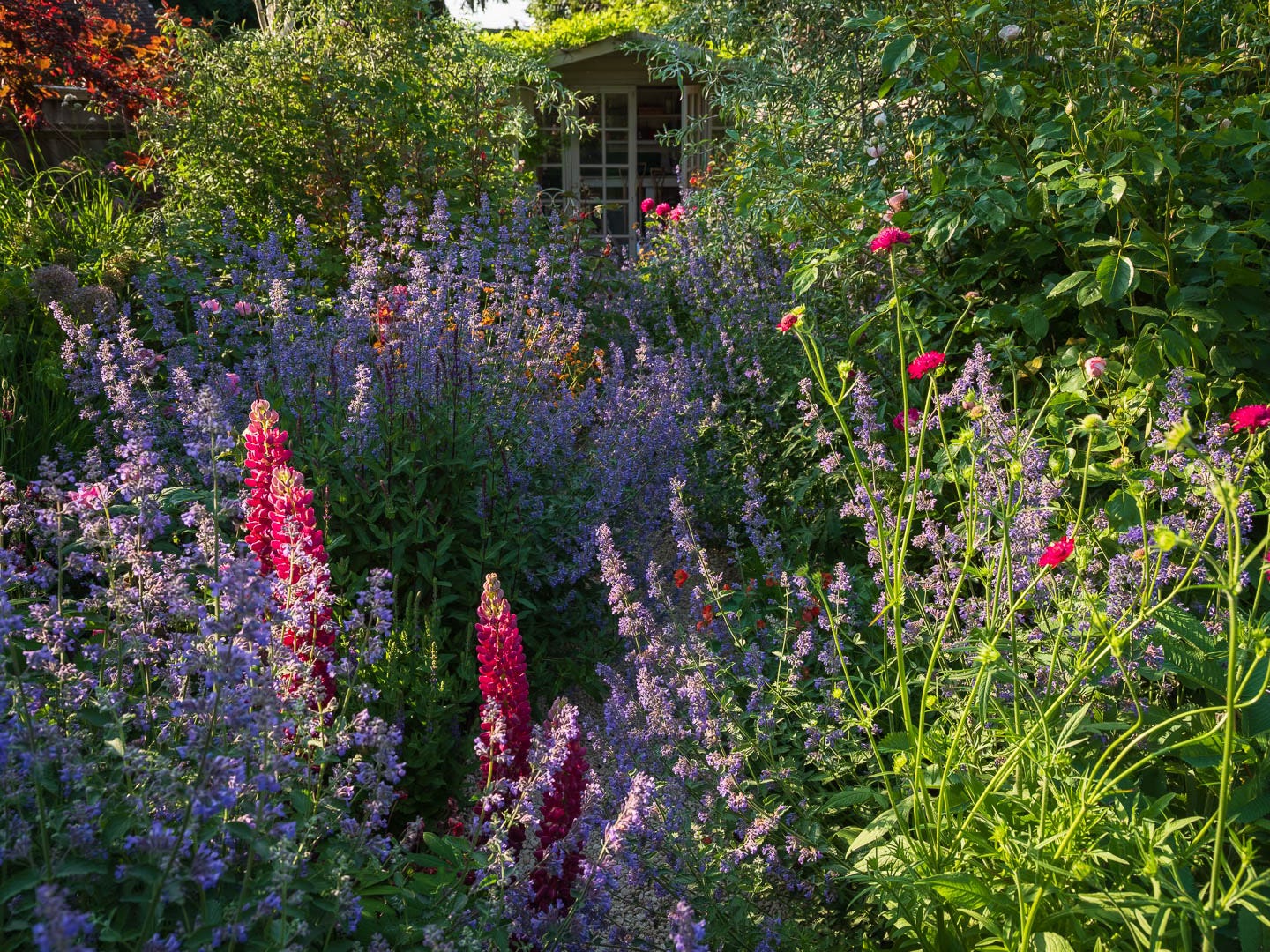
Oh, but that evening air. It’s almost worth a day of sweat and sunburn just to smell it. The garden is filled with a balmy, sultry aroma that transports me abroad, into memories of sun-baked terraces and peculiar plants of the Med! The earthy scent of sunbaked stone, intense herby aromatics exuding from leaves, and flowers pumping out punchy fruits, florals, and musks, all drawn out by the sweltering heat. Lush!
How does your garden cope?
Thankfully, the garden at large is humming along beautifully in this unseasonably early scorcher. I put this firmly down to plant choice and no dig. Mediterranean plants like salvias, knautia, verbena, and nepeta are all lapping up the warmth. Also plants with hefty tap roots like echinops, lupins, valerian, and roses tapping into the still damp clay far below.
The soil is undisturbed, so all those trillions of lifeforms, bacteria, and mycorrhizal threads are intact, allowing plants to access moisture far and wide. An exquisitely balanced and truly wonderful symbiosis.
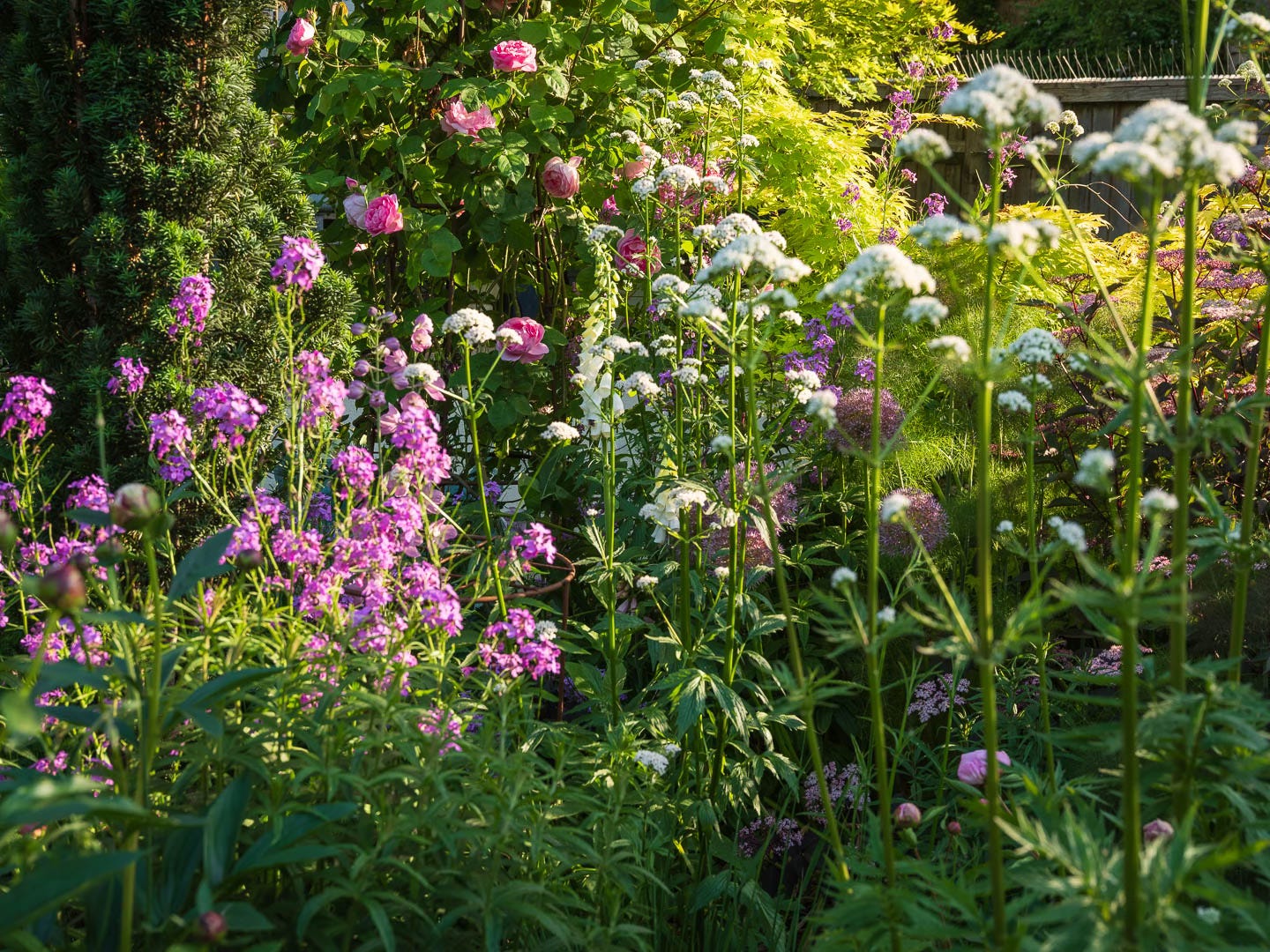
In the borders, I’m only watering new plantings and this will continue for a few weeks, maybe all summer if it’s like this. (A dreadful thought.) When I see strong new growth, then I know they finally have their feet under the table and are now fending for themselves.
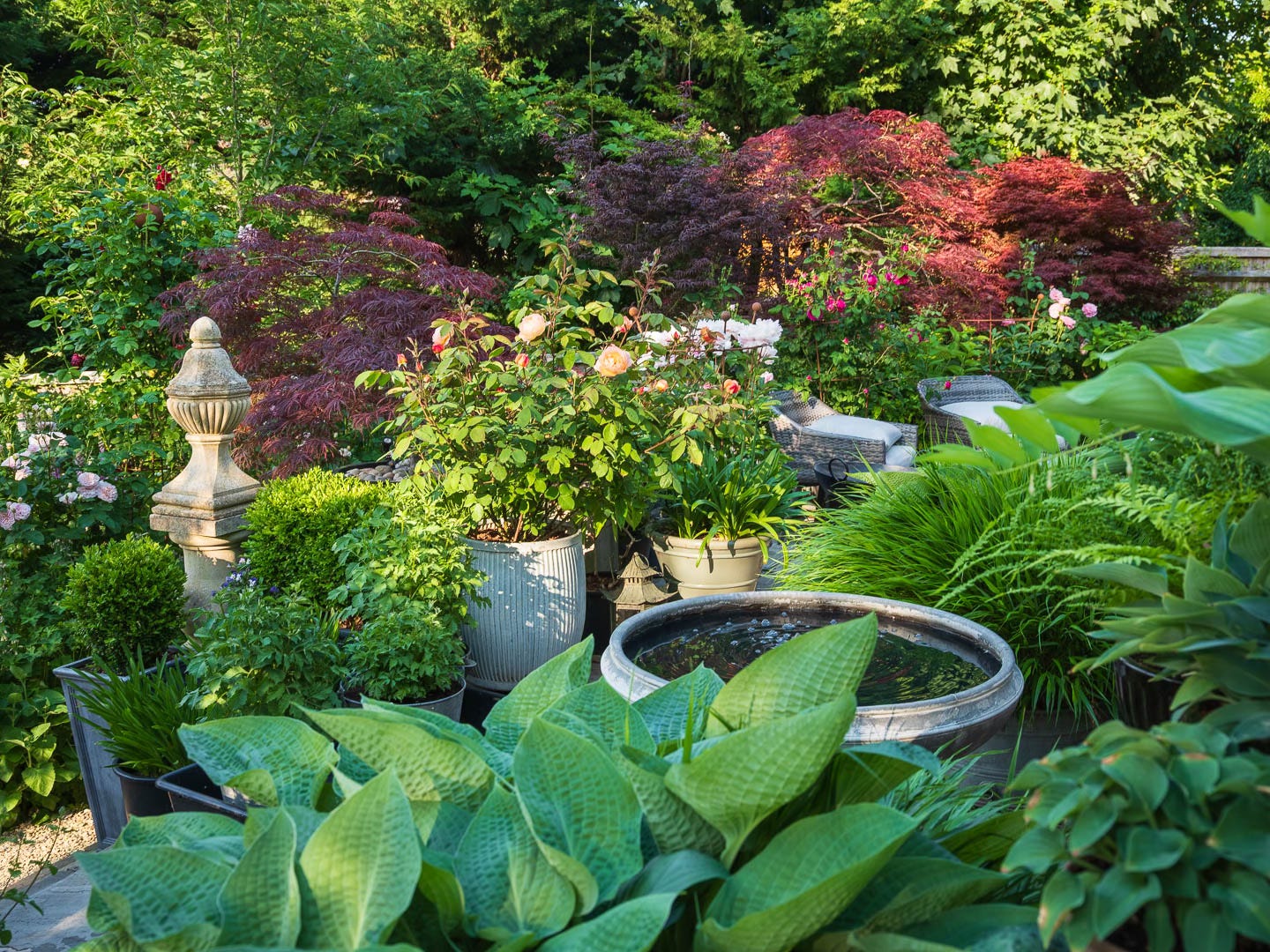
Container grown plants are a different story. No soil wide web to access. A finite volume of nutrients and moisture, unless the heat-wearied gardener supplies more. On hot days, small pots may need watering daily, perhaps twice daily if they’re porous terracotta… which is why I avoid both! Without reservation.
I use larger (bucket-sized or bigger) ceramics and galvanised. Worth mentioning that any metal planters in direct sun are planted with heat lovers that don’t mind (or even prefer) warm roots. Anything else is shaded by other pots in front.
Tip: If you’re worried about hot roots, then you can insulate plants by lining the inside of a metal pot with ‘wool insulation packaging’ before planting. Alternatively, plant into a recycled plastic pot and drop this into the posh metal one, so there’s an air gap between root and metal.
Problematic peat-free?
I’ve used peat-free compost for over eight years and the biggest lesson I’ve learned is that it’s far easier to keep peat-free compost moist, compared to reviving and re-saturating it once it has dried out. The only effective way to do this is to place the dried-out pot in a trug or bath of water and leave it overnight, sometimes longer. It’s a slow process. So, in short, don’t let your pots dry out!
How do you tell if it’s dried out? If you water the pot and the water pours straight out, then it’s dried out. The compost has shrunk away from the sides and water is simply pouring down, around, and out the bottom.
Can you gauge the moisture? Yes! Absolutely. The surface of peat-free often appears dry, with some brands creating a rather nasty crust. So just push a finger deep into the compost and feel it. Or, lift the pot up. If it’s light, it needs a drink. After you’ve drenched it, lift it up and appreciate how heavy it is so you remember next time. It becomes second nature after a short while. So, go by moisture in the compost rather than waiting for plants to droop and crisp. By then it may be too late.
My top tips for watering:
• Water deeply in the morning. Forget splashing around and spraying leaves. Direct the water at the roots where it’s needed. Morning is preferable because night-time watering encourages slugs and snails.
• Soil and compost can form a dry capping surface, causing water to run straight off initially. Give it a gentle pre-soak first, then return a few minutes later and the water should soak straight through.
• If you’re planting new plants, soak the potted rootball in a bucket of water, pre-soak the hole (I like to fill the hole and let it drain), plant up, water in, and mulch thickly.
• Whether it’s in the borders or containers, plant in a maximalist fashion. Cram plants in, so less soil (or pot) is exposed to the heat. Plants together increase the amount of collective shade and humidity in a heatwave.
• If it’s seriously hot, move your pots to the shade until the heatwave passes. They won’t mind!
If you’d like a deeper dive into watering, you can find all my watering tips right here…
Clippings No.3 The Slow Art of Watering

Good watering isn’t about frantic sprinkling — it’s about paying attention. Listening to the plants, noticing the soil, checking your pace, and observing.
Annoying animals
And now for something completely different… Did you know that I spent twenty years as a globe-trotting wildlife photographer? I’ve been a natural history buff since I was a child. So, I think it’s fair to say that, compared to many gardeners, I probably have a greater tolerance of any wildlife that dares displease the gardener.
That being said, there are a few visitors testing my broad tolerances. So, as a break from my normal fluffy-bunny self, I thought I’d vent and share a few thoughts on some rather irritating garden characters…
Rogue rodents
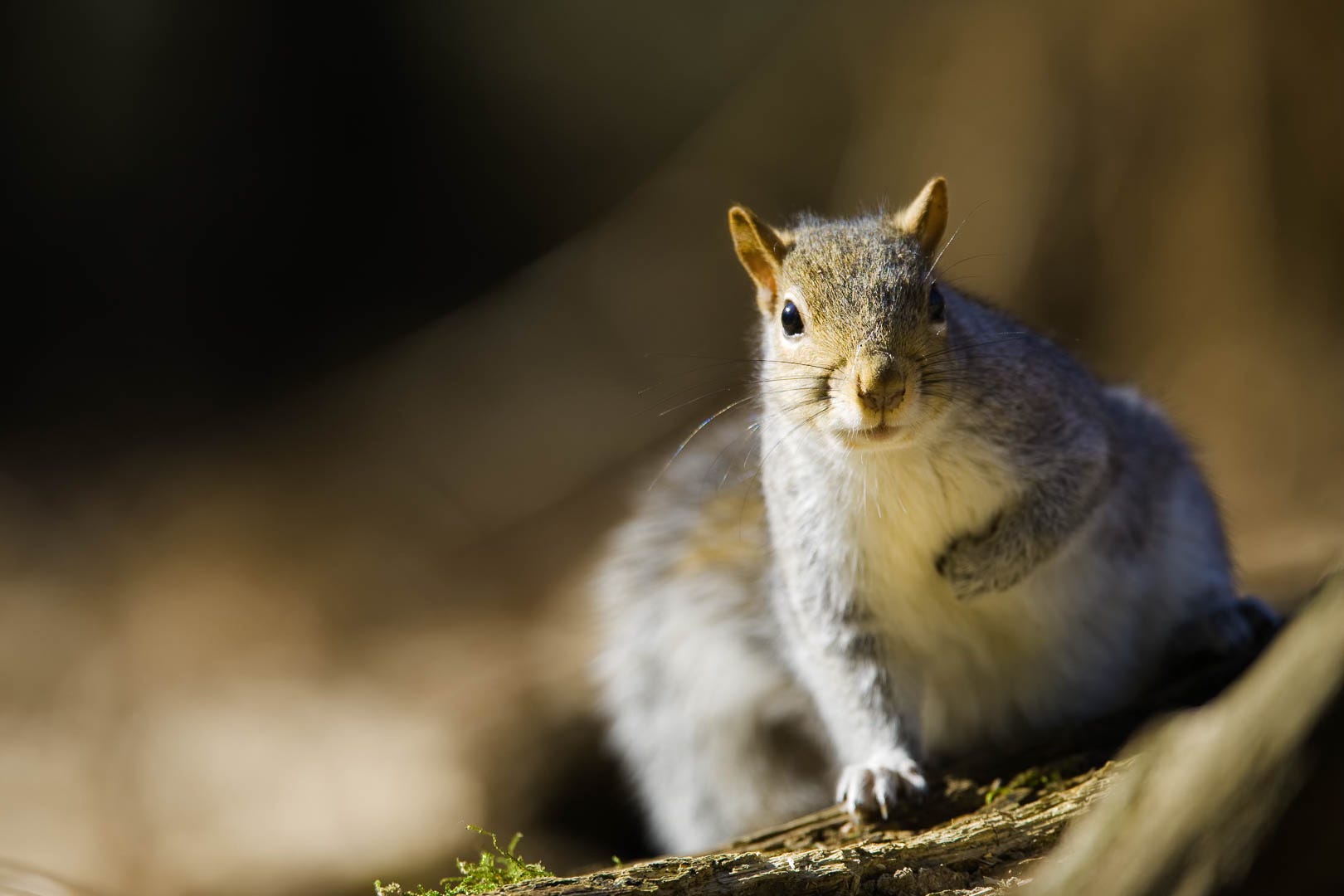
The local grey squirrels are walking a precarious path, let me tell you. Chewing off a Japanese maple branch just to make an easier path to a bird bath?
Ooooh… This. Means. Warrrrr!
Chewing through lead flashing, causing extensive damage, just to blunt or sharpen their teeth, or whatever it is they do. I’ve had to hurriedly cover all exposed lead with chicken wire, but now we have leaks. Baaaggghhhh!! And why are they not dying of lead poisoning?!
I installed fence spikes (on top) to deter them away from the acer. This worked for about two weeks before they realised they could clamber alongside or run straight down the middle. Dammit! So, in August, when it’s safe to do so, I’ll be removing their drey from our fir tree and making sure they do not return!
Pesky Pigeons
Wood pigeons, to be precise. The dumbest, clumsiest bird in the land… although pheasants would certainly compete for the title of “Stupidest Bird”, blindly walking out in front of cars… splat. Next one… “What happened to George?” Splat! Next one… “What happened to Colin?” Splat!
But pigeons? If they were a film character they’d be Dudley Dursley. You know, moronic, knuckle-dragging bullies. Making a racket wing-slapping each other. They crash right into the middle of plants and they’re always breaking branches or flying into windows.
And what’s with that incessant cooing. I just looked it up and apparently the mnemonic is “Take two cows, Taffy” or “My toe bleeds, Betty”? To me it sounds suspiciously like “Yoo-ny-ted. Yoo-ny-ted. Yoo-ny-ted.” A football fan, hey?
But the two biggest bugbears are:
Pecking off all the new leaf buds along their favourite perch in my prized Japanese maple, so now the entire branch is dead. They are definitely spoiling for a rumble there!
Crashing through the plants with the grace of a drunken mastodon, just to have a drink in the smallest bird bath (told you, stupid), before turning around and curling one out (crapping) in said bath, before blundering off again like a feathered wrecking ball.
Bark-flinging blackbirds
Now, don’t get me wrong, I LOVE blackbirds. I absolutely adore their fluting song. I love that they are so fond of slugs and snails. Along with the song thrush they clear up dozens (maybe hundreds) of them a day, as is quite evident by the litter of snail shells around the anvils.
Anvils? Yes, anvils.
I place out bricks and small rocks, so both blackbirds and thrushes can happily smash their way through to a snail’s juicy innards. Yummy. It’s very common here to walk around, accompanied by the tap-tap-tappety-tap of blackbirds happily bashing a snail.
But! My snail-smashing feathered friends, do you have to make quite such a mess of my potted plants?
Every spring, I diligently go through all my pots, scraping out the old loose compost, topping up with the fresh stuff, and topping that with a fine bark mulch. Only to have the birds dig it all out and throw it over the floor. Repeatedly. Ad nauseam. Not just the pots either. Ever mulched a border and walked out the next morning to find it all on the lawn or path…?
I guess I should be grateful if they happen upon vine weevil larvae or such… but seriously, after a dozen goes at the exact same spot, in the same pot, is there really going to be any more juicy larvae?
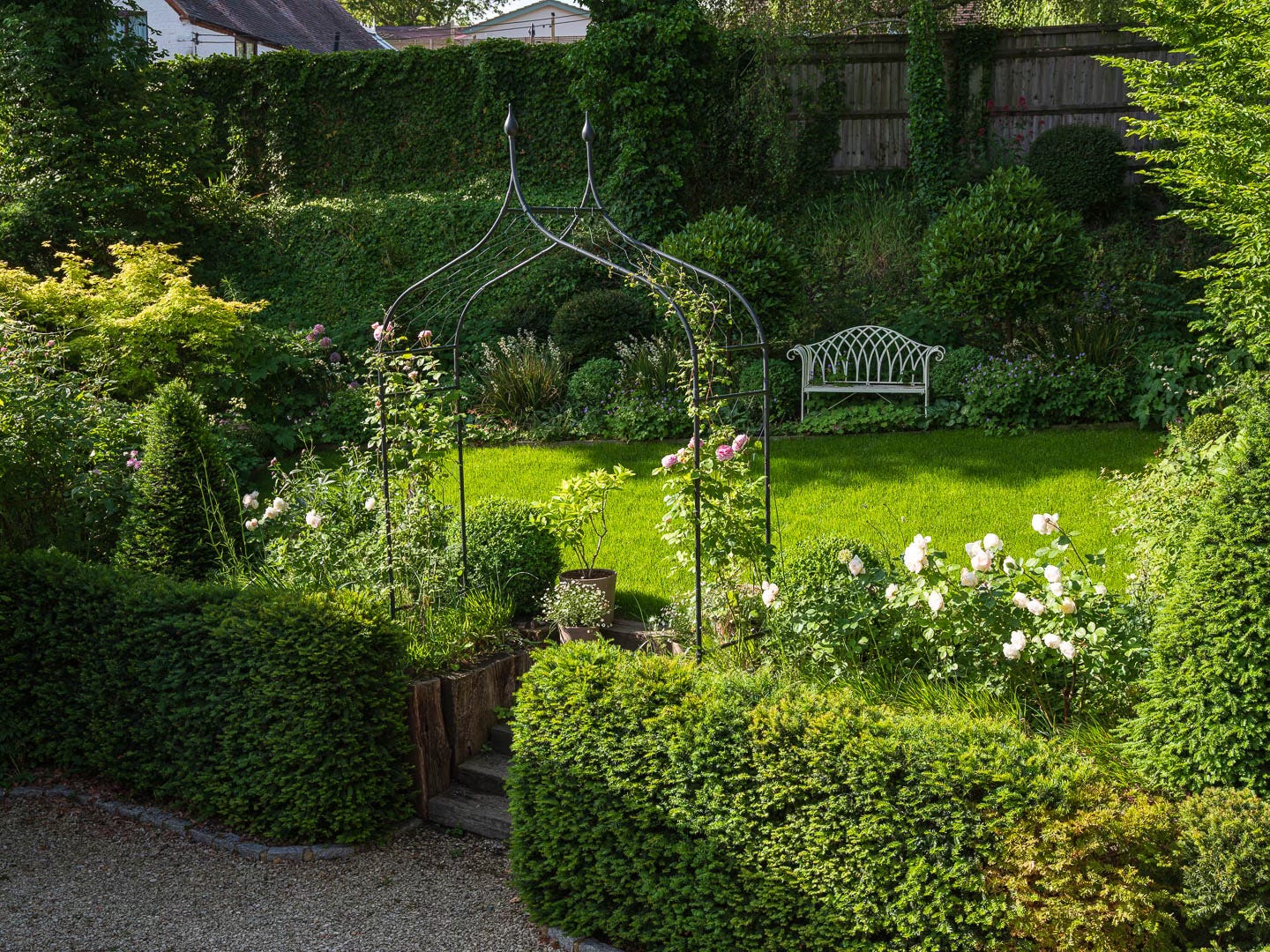
Still thankful…
All said and done, I do count myself lucky on the pesky critter front. We have no large mammals causing garden havoc like foxes, badgers, rabbits, or deer. I’m very happy to see them on my walks. I live on the edge of farmland and I think they’re all very contented to stay there, as am I.
All I have is a few half-witted pigeons, lead-addicted squirrels, over-enthusiastic blackbirds, and a bank full of voles eyeing up my raspberry canes with glee. We’ll see how that pans out. I’ve just been gifted a walk-in fruit cage from Agriframes and I’m hoping the mesh is small enough (and tough enough) to keep out the rodents!
Coming soon
The early summer garden tour is on the way, with plenty of note-jotting and wanderings with the big camera. So, as we return to pleasant thoughts of voluptuous blooms and beautiful gardens, I’ll leave you with this very special quote from my favourite author, J. R. R. Tolkien:
“Where our hearts truly lie is in peace and quiet and good tilled earth. For all hobbits share a love of things that grow.” — Bilbo Baggins
You see? We’re all just hobbits really.
Until next time,
Elliott 💚
What a beautiful read for a Saturday morning. Thank you, Elliott.
Frances
Enjoyed reading 🙂